
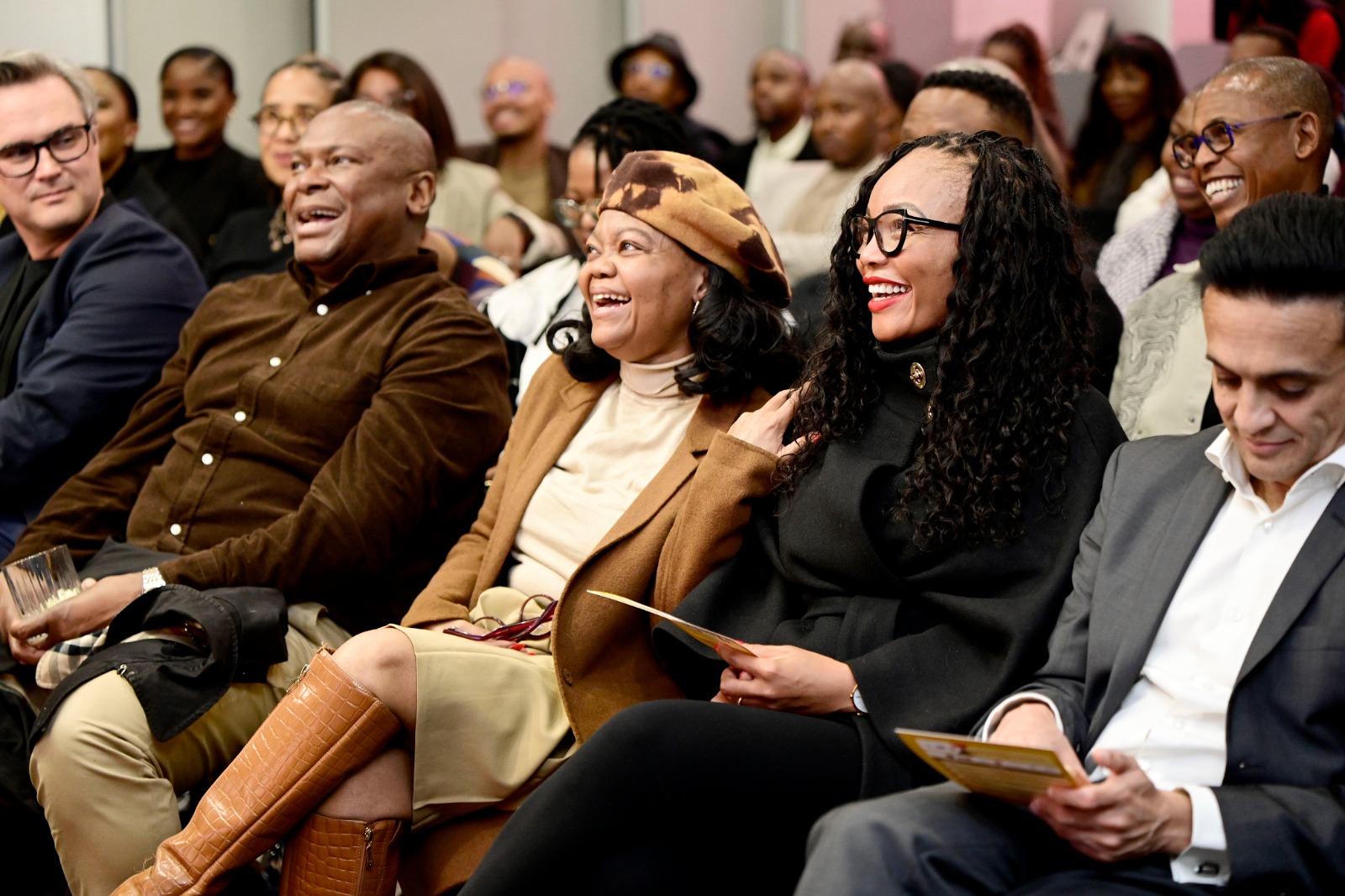
South African Brands Called on to Help Shape Africa's Global Story
South African brands, businesses, creators and institutions are being invited to join a new pan-African movement that aims to make Africa’s progress more visible to the world. Opportunity Africa is bringing together the people, brands and institutions shaping the continent’s future to spotlight stories of innovation, entrepreneurship, creativity and progress through the #NotWaiting campaign.
Reshaping the narrative about Africa
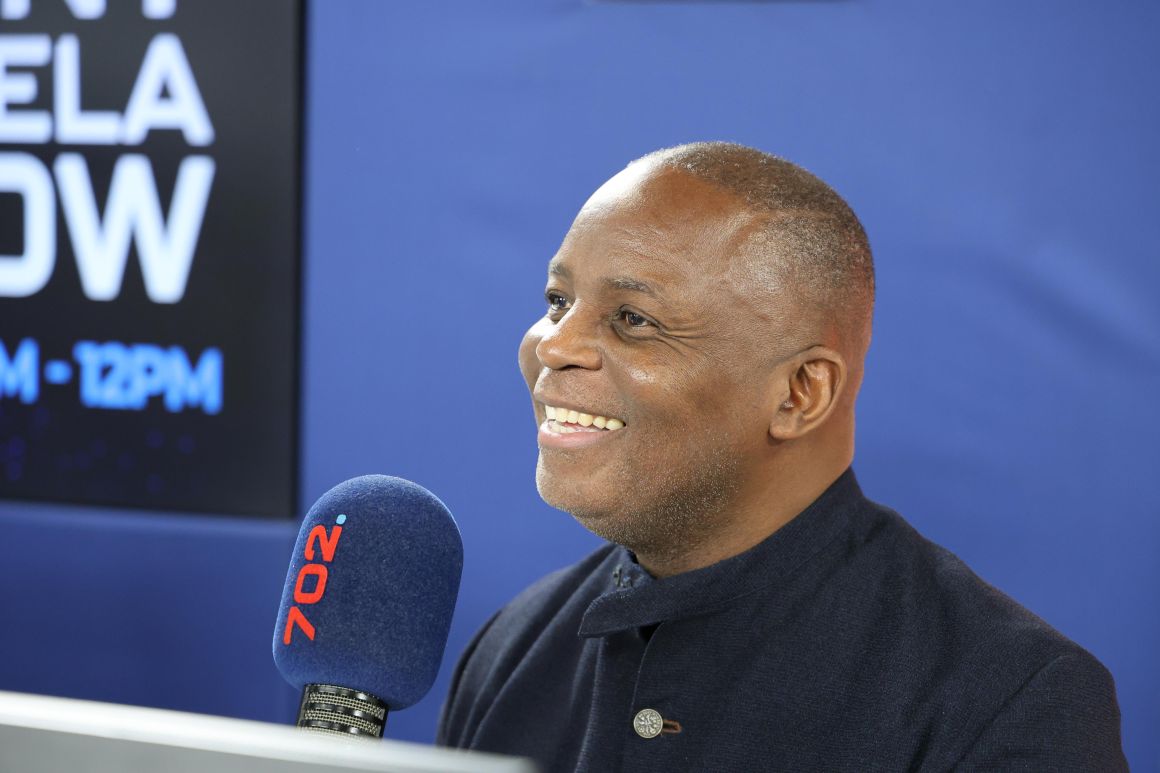
Thebe Ikalafeng, Founder of Brand Africa and Co-Chairperson of the Opportunity Africa Creative Council, joined the Clement Manyathela Show on 702 to discuss the #NotWaiting campaign in a conversation exploring how South African businesses, creators, and institutions can drive a more visible, confident, and opportunity-led narrative for the continent ‘s opportunity, progress, and innovation.
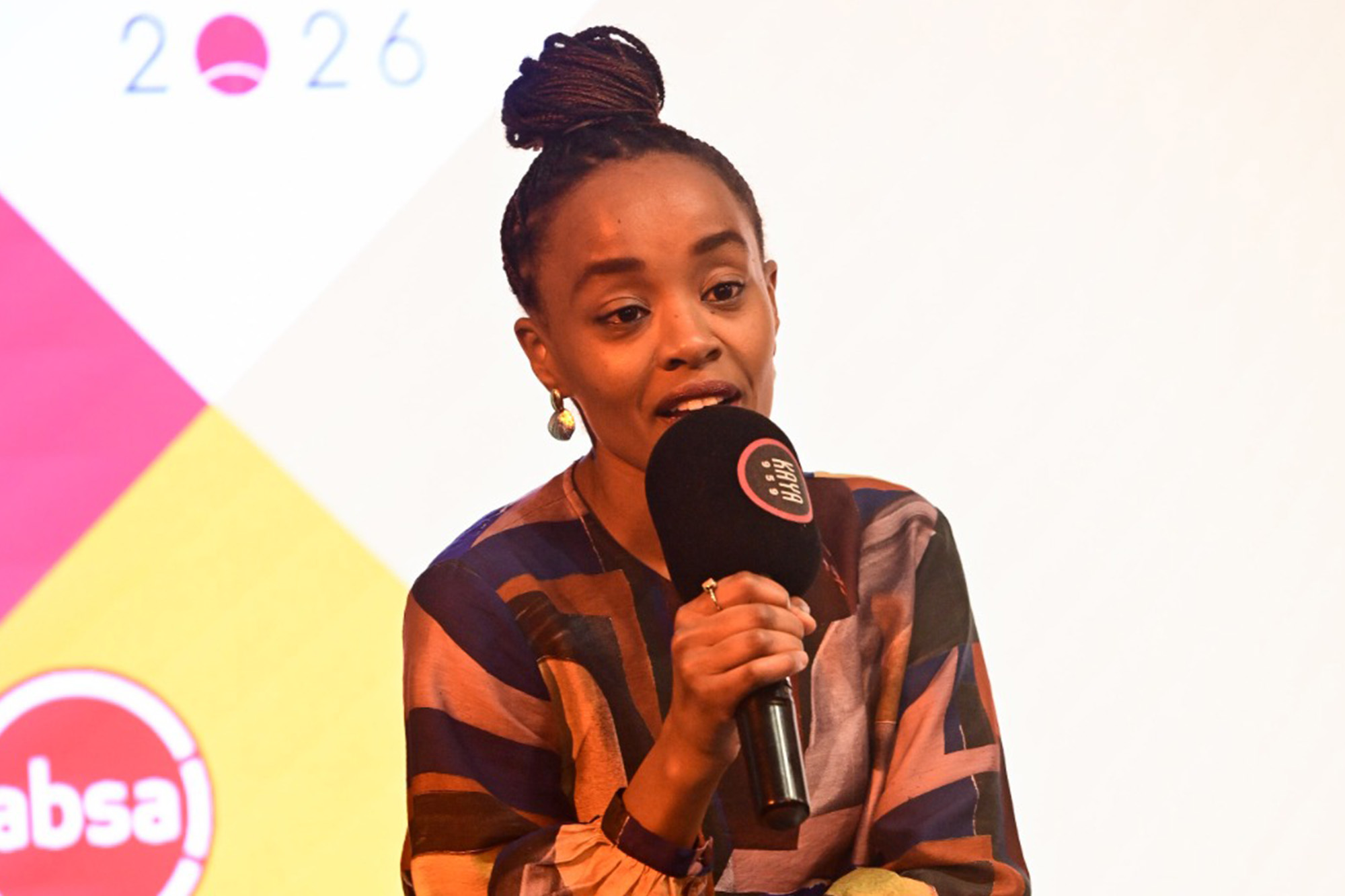
A new pan African movement launches in South Africa
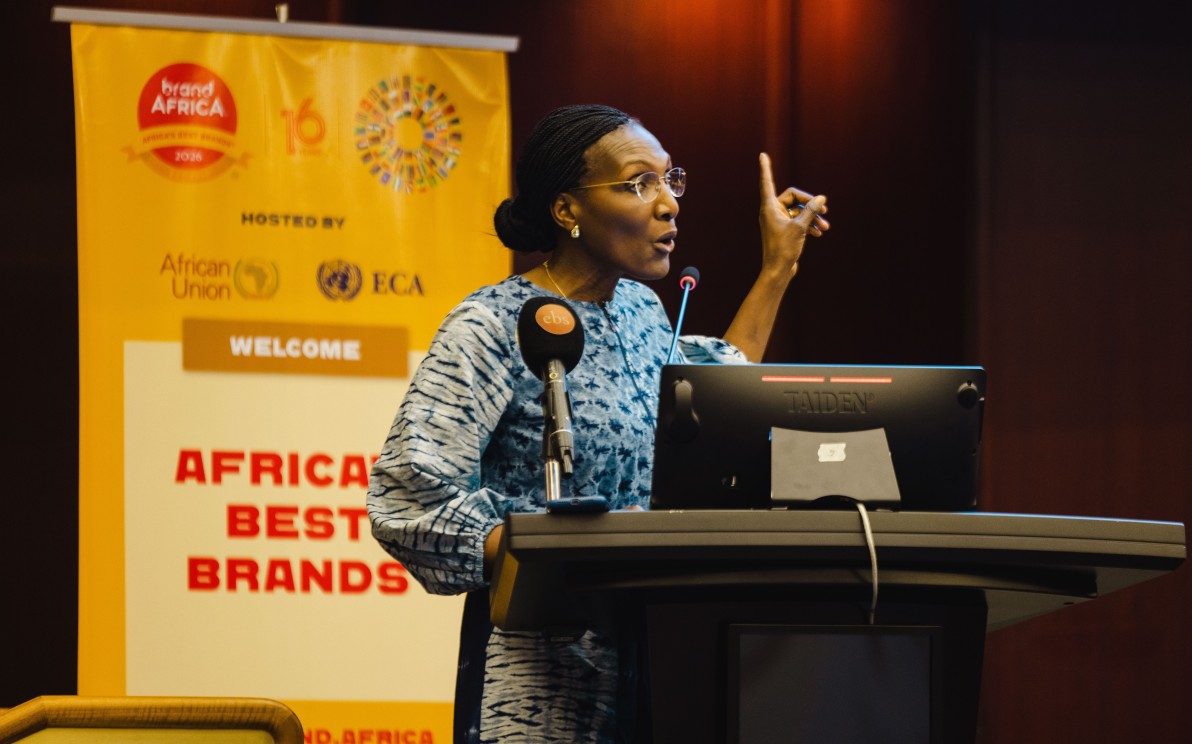
Africa Says #NotWaiting—Campaign Launched to Challenge Decades of Negative Stereotypes
Decades of stereotypes have cost Africa billions and pushed young people to leave, but the #NotWaiting campaign spotlights those building the continent, said Moky Makura, Executive Director of Africa No Filter, which organized the campaign. “The campaign is about Africa not waiting for anyone to come and help. We’re not dependent or broken,” she told Sputnik Africa on the occasion of Africa Day. Media-driven risk perceptions cost Africa $4.2 billion annually—enough to educate 12 million children—and, she said, noting that up to 60% of young Africans want to leave because they don’t see the continent as a land of opportunity.
The Lions Learn to Write — Africa Day & Its Assertion in Reshaping Global Perceptions
Every year, on the 25th of May, Africa and the world commemorate the founding of the Organization of African Unity, in 1963, that has now evolved to today’s African Union. To understand what this moment means, Pan-African Frequency spoke with Moky Makura, Executive Director of the Africa No Filter, and one of the campaign leaders of the #NotWaiting, a pan-African campaign grounded in a simple but powerful belief: if Africans begin to see themselves differently, the world will too, marking a defining moment in how Africa chooses to present itself to the world.
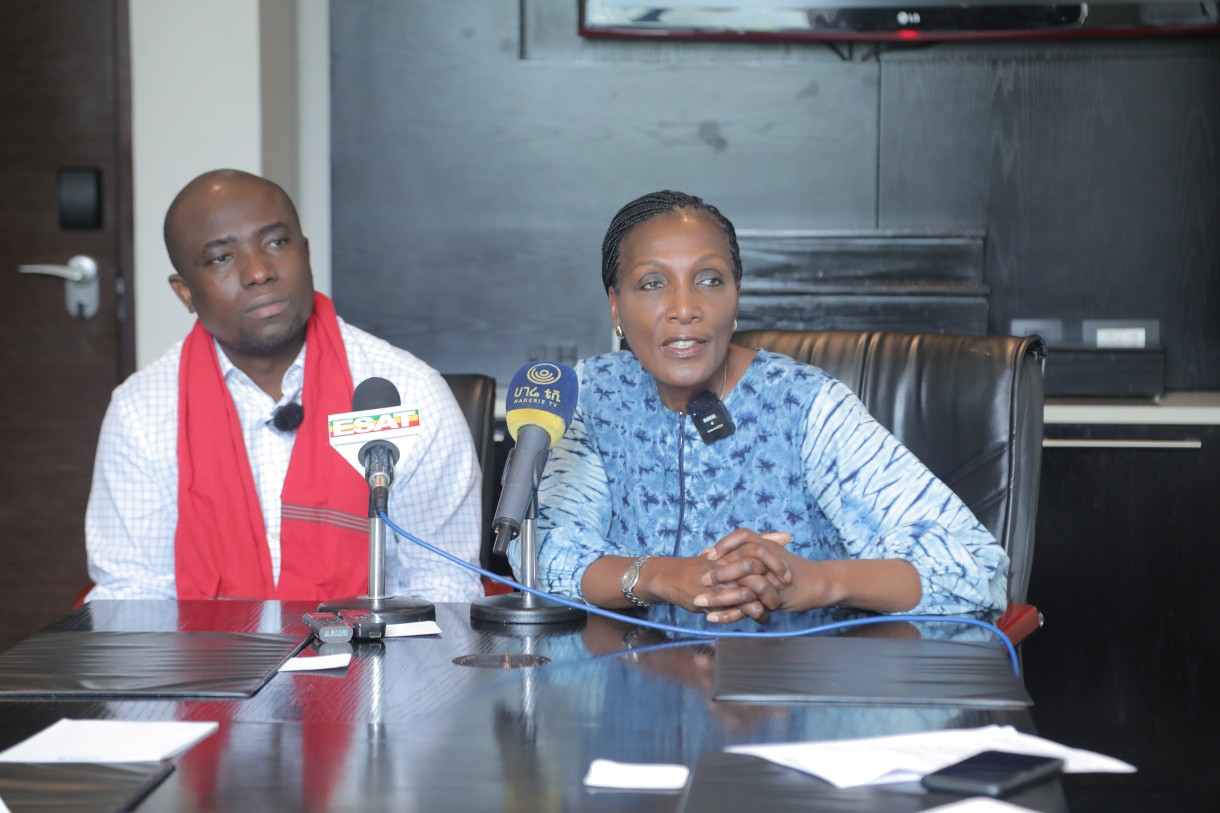
Online campaign launched to reshape global perceptions towards Africa
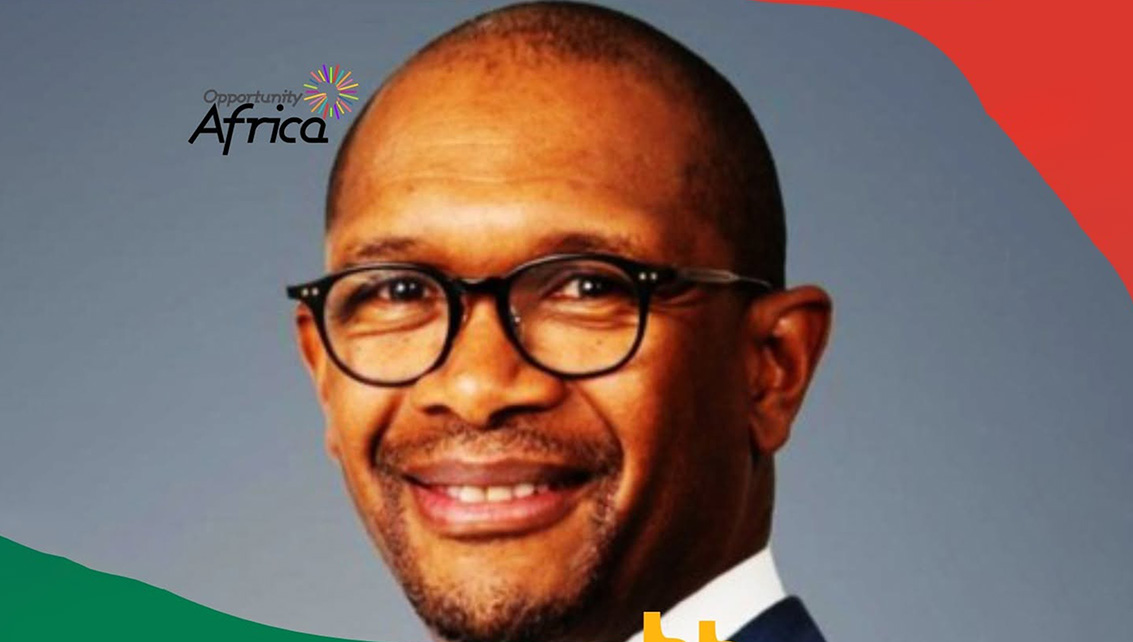
Africa’s Creative Heavyweights Unite to Shape a Stronger Global Story of the Continent
More than 30 local and Pan African news outlets in Benin, Cameroon, DRC, Egypt, Ghana, Ivory Coast, Kenya, Namibia, Nigeria, Senegal, South Africa, Uganda, Zimbabwe and Pan African media reported the announcement of the Creative Council behind the Opportunity Africa initiative including This Day, Ventures Africa, Allafrica.com, Abuja online, and Africa.com, Capital FM, South Africa Today. The Council brings together senior leaders who have shaped narratives at national, regional and global levels. Their role is to guide the creative direction of the initiative, connect it to their continent-wide networks and ensure the initiative remains credible, relevant and culturally resonant across markets.

Beyond a single story: African filmmakers rewrite the continent’s narrative with 2025 awards
For too long, the story of Africa has been told through a narrow lens—one of poverty, conflict, and hardship. But a powerful new wave of filmmakers is seizing the camera, not just to challenge this tired narrative, but to shatter it with stories of love, complexity, and undeniable joy.
This movement found its champions as Africa No Filter announced the triumphant winners of its 2025 Africa Narrative Change Film Awards, celebrating the artists who are courageously reshaping how the world sees their home.

Africa No Filter honore des cinéastes qui transforment les perceptions mondiales grâce à de puissantes histoires africaines.
African Media Agency(AMA)/-Lorsque la réalisatrice togolaise Angela Aquereburu a créé Ahoé, elle voulait raconter une histoire profondément ancrée dans son pays — riche, émotive et résolument togolaise. « Ahoé a été fait avec beaucoup d’amour pour notre pays, pour notre peuple, pour nos histoires », a déclaré Aquereburu. « Ahoé a été réalisé avec beaucoup d’amour pour notre pays, pour notre peuple, pour nos histoires », a déclaré Aquereburu.

African Union urges adoption of world map showing continent's true size
The African Union has backed a campaign to end the use by governments and international organisations of the 16th-century Mercator map of the world in favour of one that more accurately displays Africa’s size. Created by cartographer Gerardus Mercator for navigation, the projection distorts continent sizes, enlarging areas near the poles like North America and Greenland while shrinking Africa and South America.

Analysis: Reframing an optimistic Africa

Moky Makura: Image Engineer

Africa No Filter Challenges World Leaders at Davos: Align Rhetoric with Reality
Africa No Filter (ANF) is bringing a powerful message to this year’s World Economic Forum, calling on global leaders to move beyond rhetoric and forge meaningful partnerships with Africa. As world powers pledge “equal partnerships” and a brighter future for the continent, ANF’s new research, Building Partnerships in an Unequal World: Africa in the Political Discourses of the West, China, and Russia, reveals a stark gap between diplomatic speeches and tangible action. The report was covered by media across the African continent including in Benin, Burkina Faso, Burundi, Cameroon, Central African Republic, Chad, Congo, Democratic Republic of the Congo, Gabon, Ghana, Guinea, Ivory Coast, Kenya, Mali, Malawi, Niger, Nigeria, Senegal, South Africa, and Togo.

Yes, we know it's Christmas: Pushing back against the Band Aid narrative

Changing the narrative: Using AI tools to tell the African story
The stories we tell—and the way we tell them—can shape perceptions, influence policy, and even affect social change. When storytelling embraces diverse, factual and empowering frame, it becomes a powerful tool for positive change and influence. It can also challenge stereotypes, broaden perspectives and foster empathy.
However, when a storyteller relies on a narrow, distorted, and negative frame, they often perpetuate stereotypes that reduce complex realities into oversimplified narratives.

Dahomey wins Africa Narrative Change Film Award at Cairo International Film Festival

How Misleading Western Narratives Drain $4.2 Billion From Africa Yearly
Africa is often represented in Western media through a narrow lens dominated by negative storytelling rooted in themes of violence and poverty. This persistent practice has a tangible impact on the continent’s economy, resulting in measurable financial losses, says Nigeria’s Abimbola Ogundairo, Advocacy and Campaigns Lead at Africa No Filter, in an interview with Sputnik Africa.

Global media bias costs Africa $4.2 billion annually—new report reveals

Africa No Filter launches new guide on how to write about African elections
The narrative of elections in Africa is typically one of the negative stereotypes that portray the continent as chaotic and illegitimate. Africa No Filter and fraycollege conducted research on how the story of elections in Africa is told. Through focus groups with senior journalists and content analysis of over 800 online articles from different African countries, we found that the words most commonly used when reporting on elections were corruption, violence, ethnic tension, unengaged youths, and fraud. The report was covered by print and online platforms across Africa, including Cameroon, Ghana, Kenya, Liberia, Malawi, Mauritius, Niger, Nigeria, and South Africa.

Stereotypical media narratives deprive Africa and FDI community of $4.2 billion annually, new study reveals

Africa No Filter launches new guide on how to write about African elections
Africa No Filter and fraycollege conducted research on how the story of elections in Africa is told. Through focus groups with senior journalists and content analysis of over 800 online articles from different African countries, we found that the words most commonly used when reporting on elections were corruption, violence, ethnic tension, unengaged youths, and fraud.

New index assesses how leading news providers cover Africa

New Media Initiative To Put Global Media’s Coverage Of Africa Under The Spotlight
The Global Media Index for Africa assesses and ranks *online news stories of CNN, Deutsche Welle, Russia Today, Bloomberg, Xinhua, Le Monde, The Guardian, Wall Street Journal, Associated Press, Al Jazeera, The Economist, New York Times, VOA News, AFP, Reuters, BBC, CGTN, Financial Times, RFI, and The Washington Post. The report was covered by outlets in countries that include Cameroon, Congo, DRC Congo, Ghana, Ivory Coast, Kenya, Liberia, Malawi, Mali, Namibia, Nigeria, South Africa, Uganda, and on Pan-African news websites.

Discrimination against young African diasporans in France, U.K. and U.S. is driving interest and connection towards Africa, a new report

Pop culture is the biggest influencer of African youth, according to new report

How African news agency Bird is breaking negative stereotypes about the continent

100 Most Influential Africans of 2022
ANF’s Moky Makura has been named one of the 100 Most Influential Africans of 2022. Thank you New African for recognizing the work we do. Go to page 54 to read the full feature.

New report on innovation in Africa finds youth believe the next Mark Zuckerberg could come from the continent

IPASA’s 2022 Annual Review of South African Philanthropy

The specialist news agency, bird, today announced Ndu Okoh as its new Editor- in-Chief
The award-winning Nigerian journalist has held positions in top regional and global news and media houses including Agence France Presse, The Nation Media Group and The Standard Group.

New report on Africa’s creative and cultural industries finds youth admire creatives, but they won’t spend on their work

New handbook outlines how journalists can write about Africa beyond stereotypes
Narrative-change organization Africa No Filter is challenging stereotypical news about Africa with its latest handbook, Why Change the Way We Write About Africa?A storyteller’s guide to reframing Africa.

AU Media Fellowship: 15 AU Media Fellows selected to advance Africa’s Agenda 2063 through storytelling

Greta Thunberg speaks for Africa when it comes to climate. Where are Africa's voices?

New Business in Africa Narrative Report shows another ‘scramble for Africa’ by foreign powers is underway in international media

Africa No Filter and Meta announce a new fund to improve Virtual Reality in Africa’s storytelling

New handbook outlines how to write about Africa for development community

Africa No Filter bird, Africa No Filter’s story agency, goes live

New Report on African media shows western sources dominate how the African story is told

Moky Makura Wants to Change the Way the World Sees Africa by Empowering Its Storytellers

